

Battery Materials and Systems
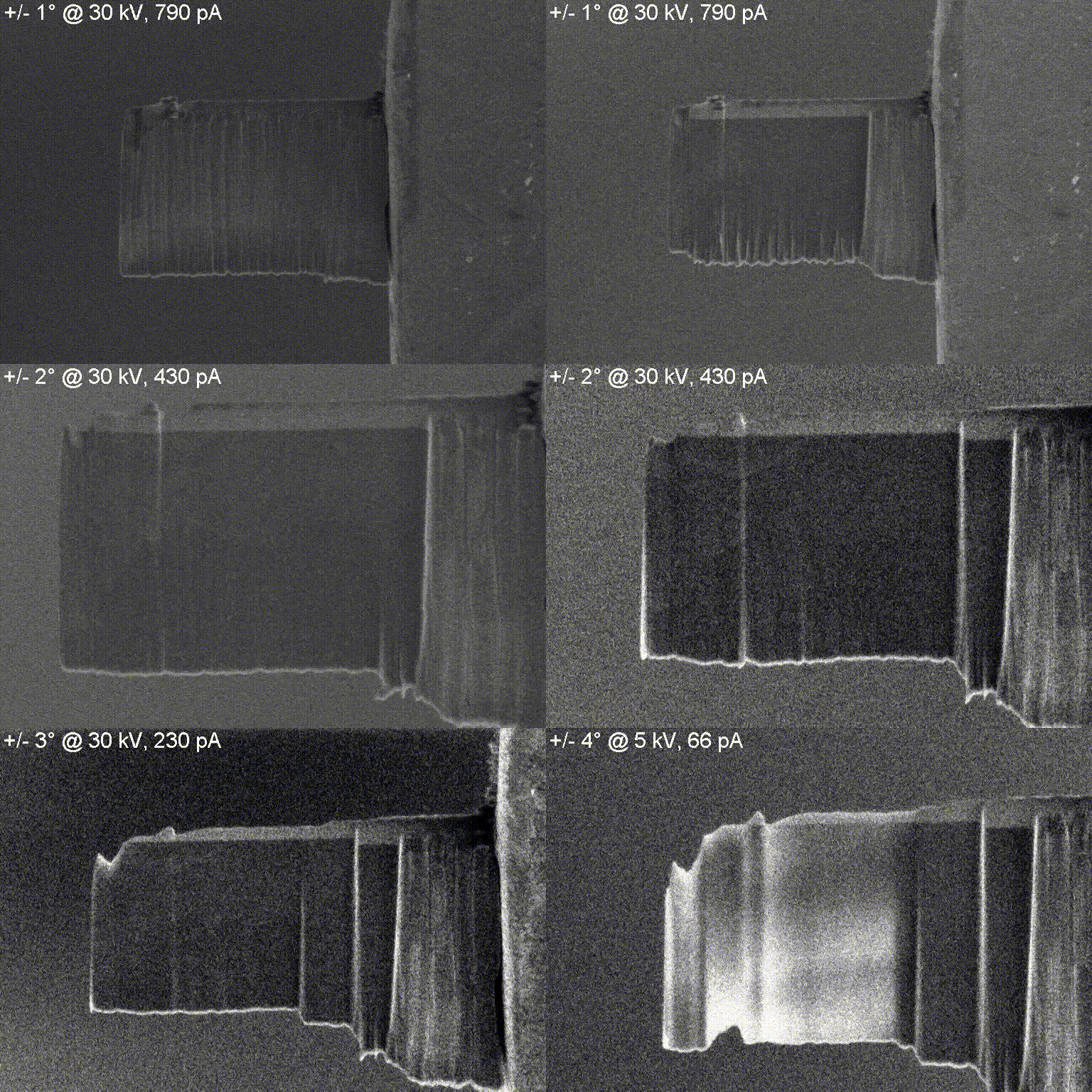
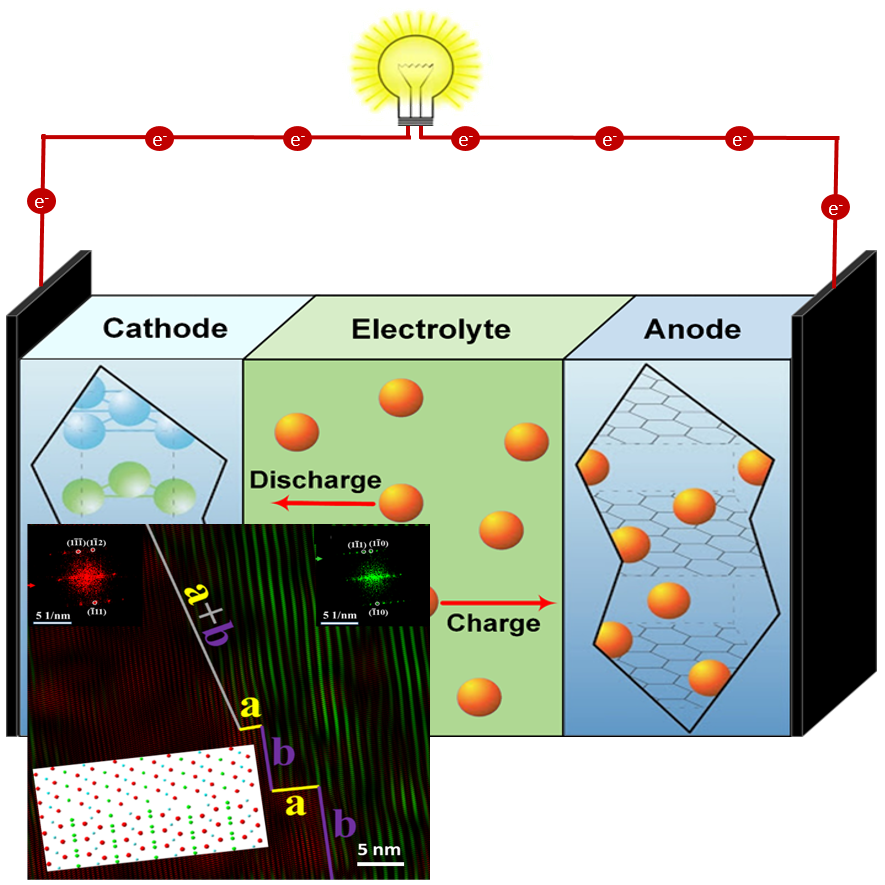
The morphology and microstructure of electrodes and solid electrolytes and, in particular, the interface within and between materials play a crucial role for battery performance and long term stability. The aim of the research unit 'Advanced Electron Microscopy in Materials Research' is to use and develop advanced electron microscopy techniques ranging from classical TEM and STEM imaging in combination with EELS and EDX spectroscopy to tomography and further to 4D-STEM techniques such as crystal orientation (ACOM) or field mapping (DPC) to provide structural and functional information from the atomic scale to the micron level and relate it to transport and degradation processes in batteries using both ex situ and in situ approaches.
.jpg)
POLiS
Former projects