Materials Research

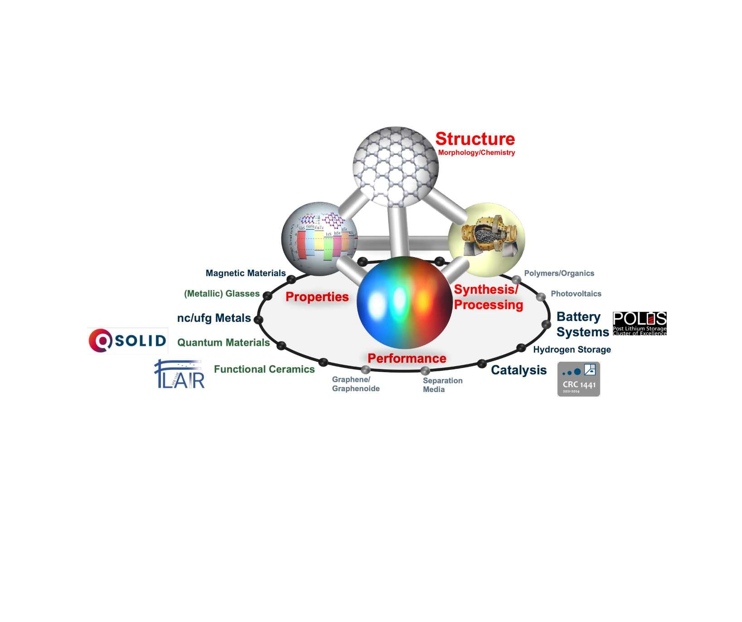
We are using state-of-the-art imaging, spectroscopy and diffraction based electron microscopy techniques, both in-situ and ex-situ, to understand materials and provide a link to simulations. When state-of-the-art techniques do not provide sufficient answers, we tackle research problems by dedicated method developments.
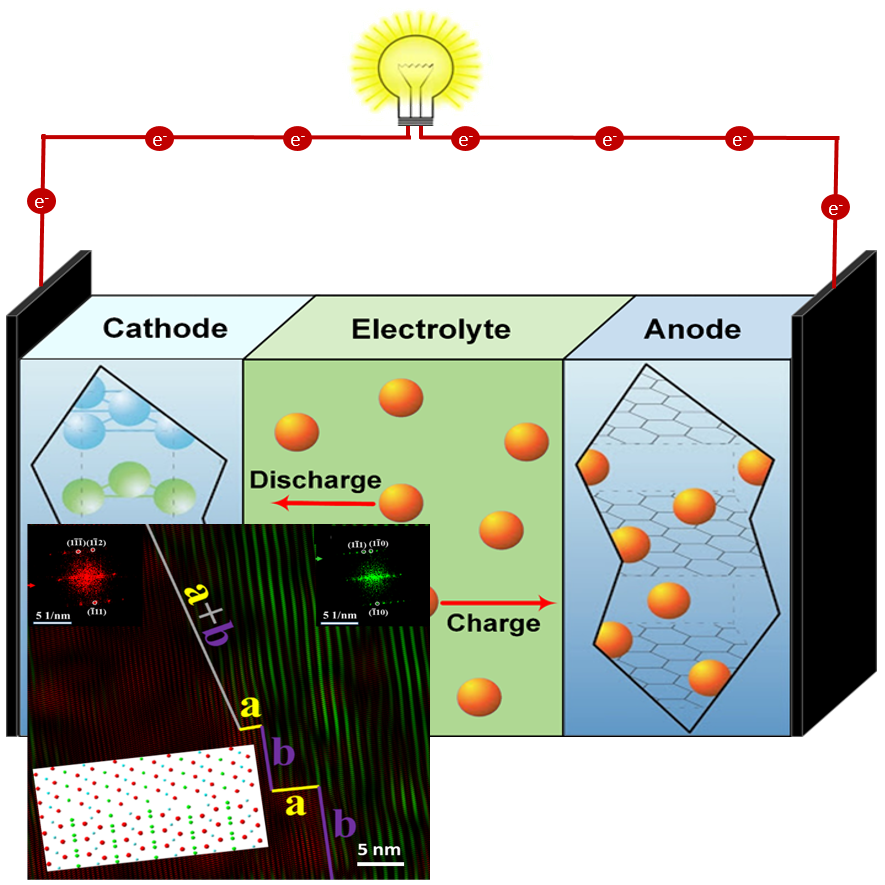
Understanding the structure, chemistry and oxidation state controlling the fundamental processes in batteries and their degradation is challenging, but needed for knowledge based design of new battery systems.
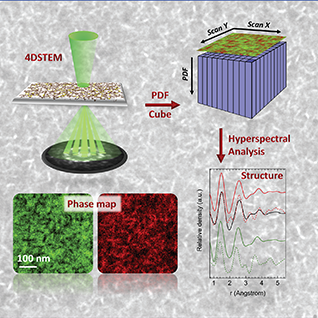
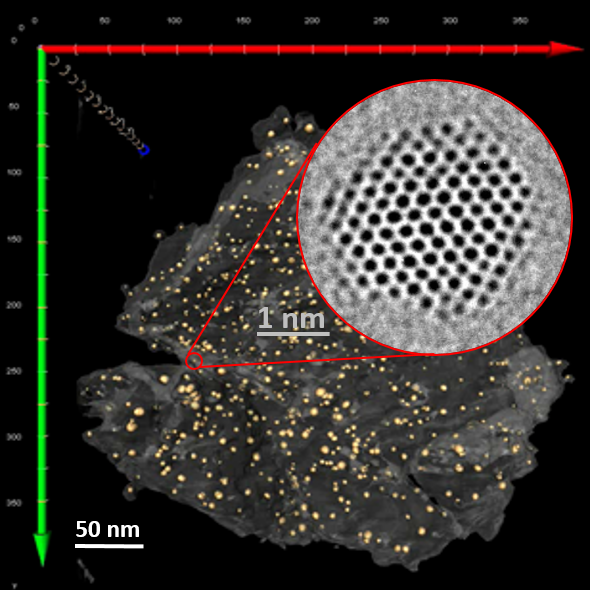
We are addressing structure, composition and morphology from the atomic scale to the micron scale using analytical and 4D-STEM techniques, both in situ and ex situ, to better understand the active sites involved in catalytic reactions, their evolution over time as well as diffusion and flow properties of the overall catalytic system.
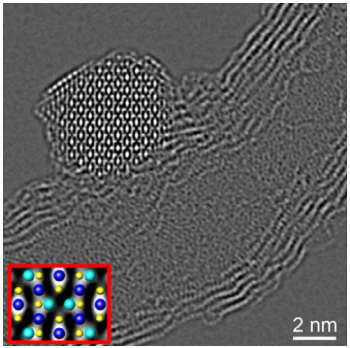
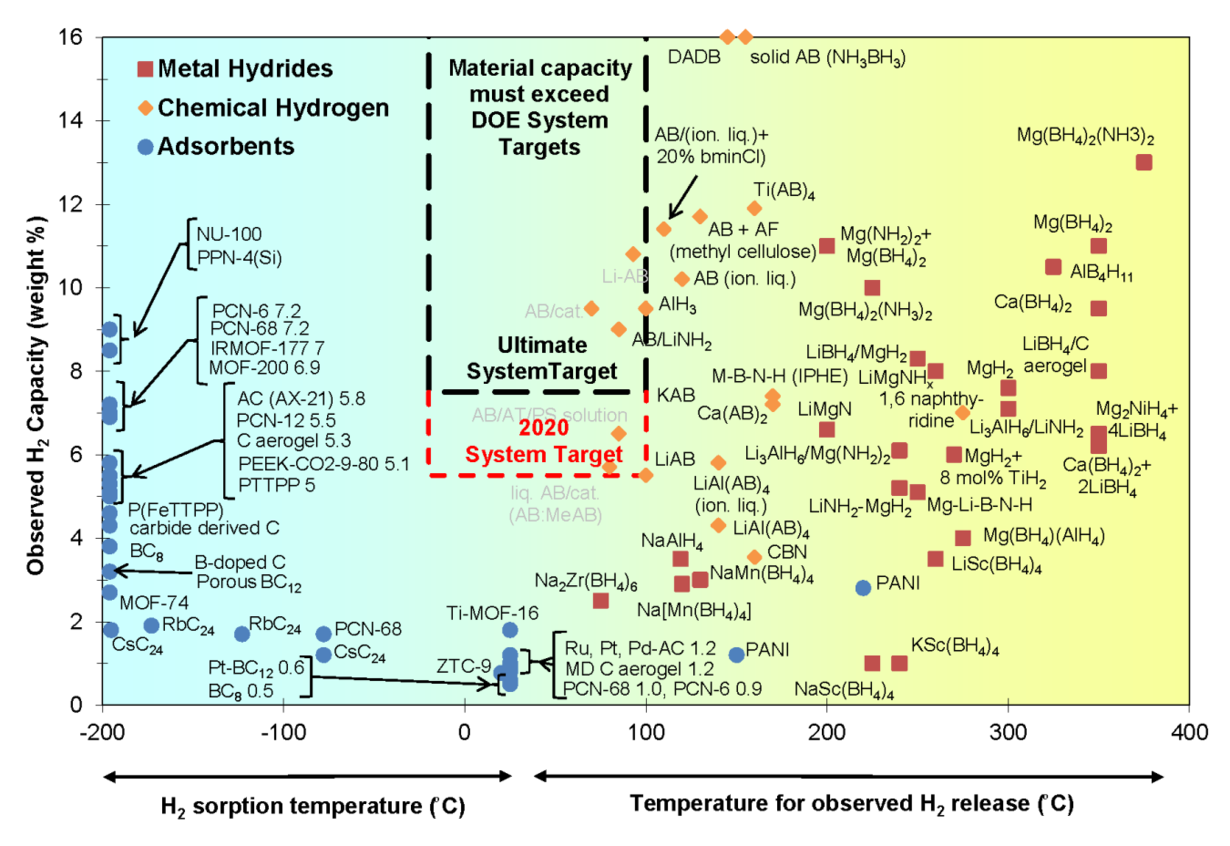
Among various storage strategies, metal hydrides offer high volumetric hydrogen density and favorable reversibility, making them promising candidates for solid-state hydrogen storage.
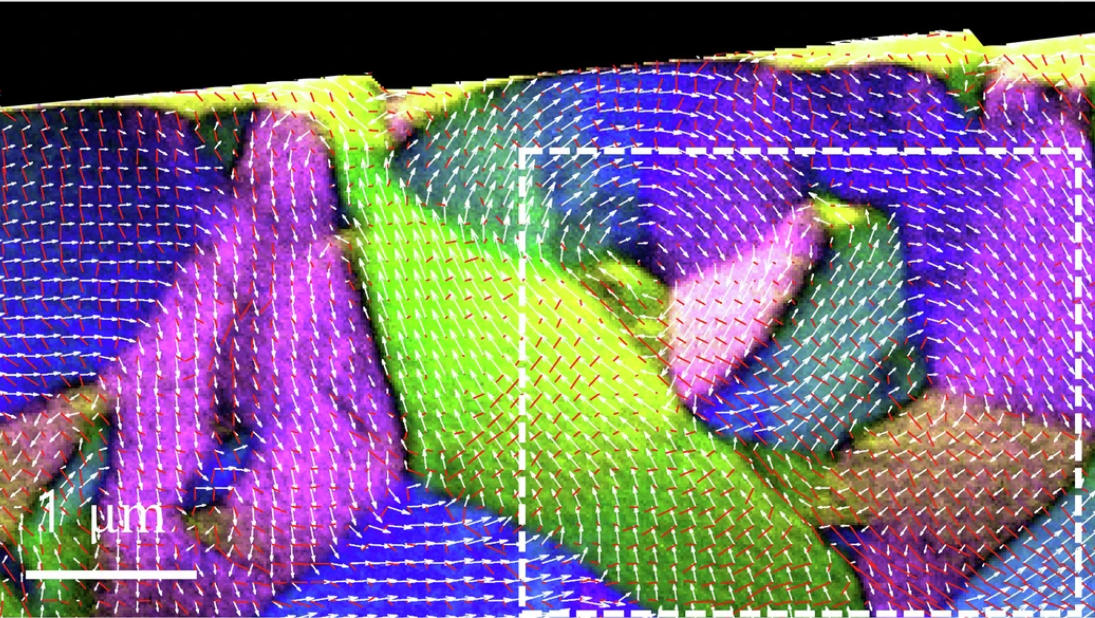
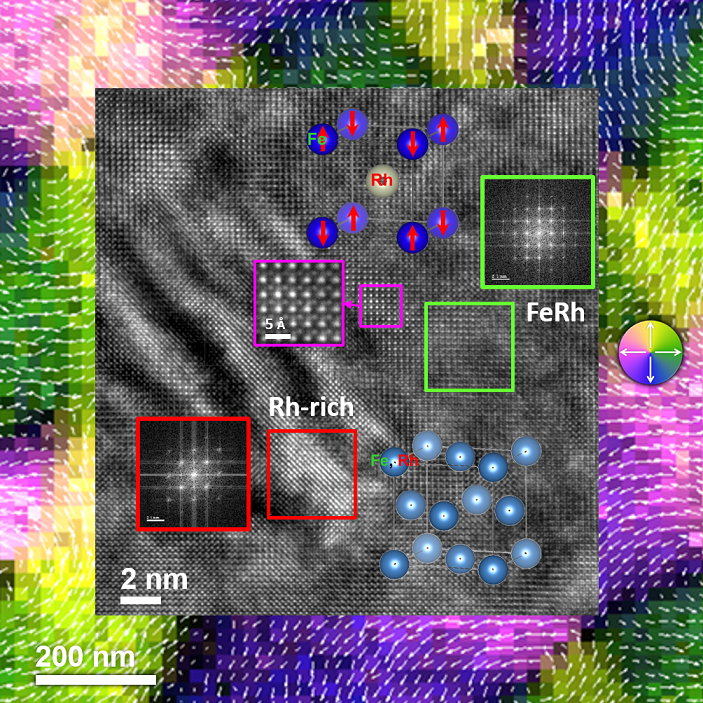
The atomic scale and microstructure together with the local chemistry and electronic structure of a variety of functional ceramics are characterized combining HRTEM, HRSTEM, and STEM-EDX/EELS spectrum imaging. In addition, magnetic and ferroelectric domains can be imaged using 4D-STEM techniques.
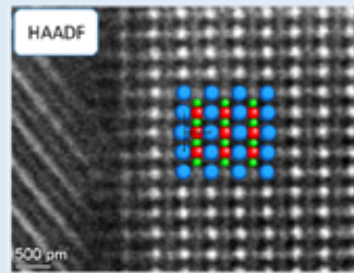
Advanced analytical (S)TEM and 4D-STEM characterization techniques are used to determine the crystal structure, defects and the elemental distribution down to the atomic scale as well as the electronic structure for the different cations.
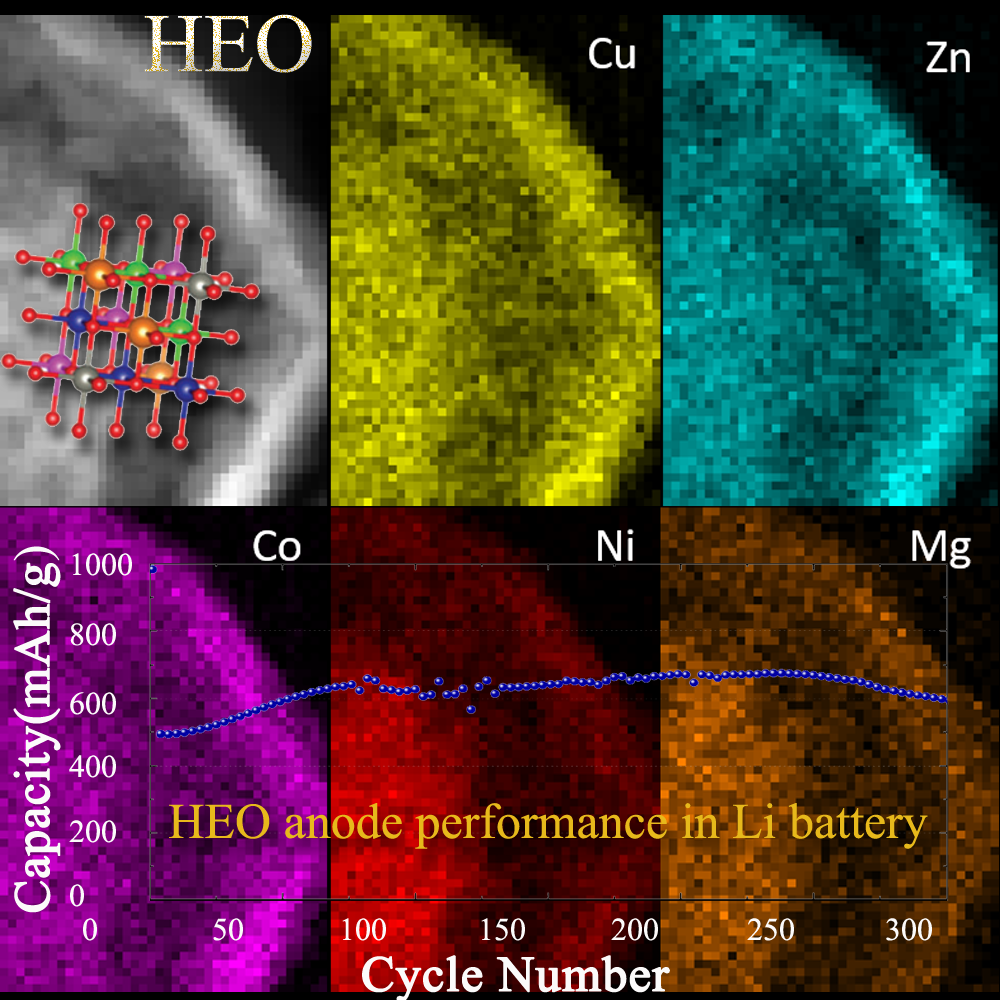
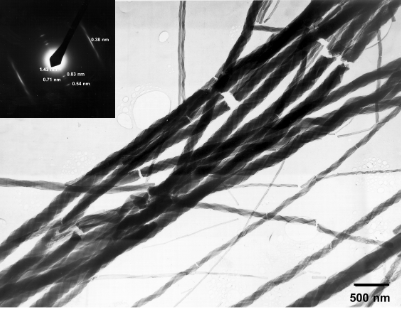
Furthermore, they promise new energy efficient sensing capabilities. We have investigated new quantum materials using high-resolution imaging and spectroscopy techniques to develop a fundamental understanding of the interplay between real space and electronic structure and their functional properties.
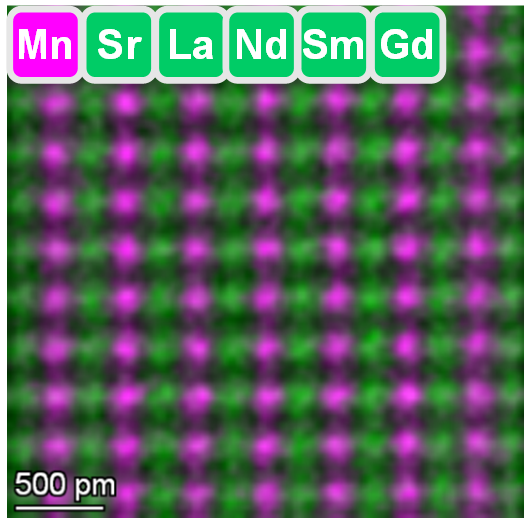
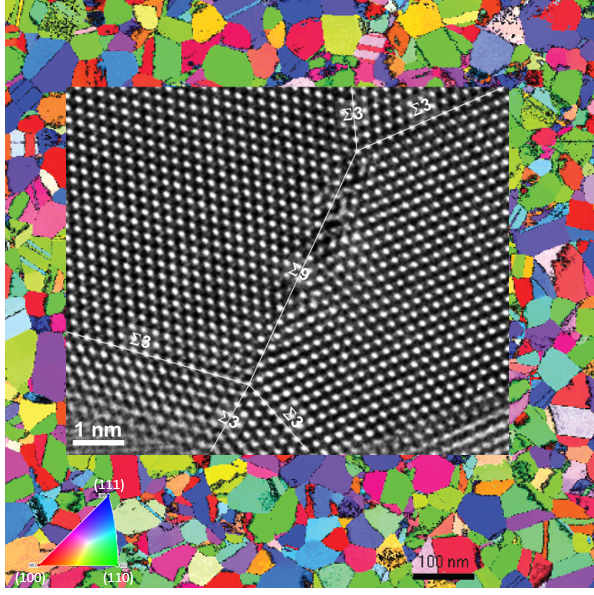
We are employing high-end microscopy approaches to understand how microstructure and defects can be used to tailor mechanical and electrical properties as well as stability of ufg metals.

We have developed 4D-STEM based high-sensitivity pair distribution function (PDF), strain and magnetic field mapping as a new approach to simultaneously characterize structural and functional properties of metallic glasses at the nanoscale with high precision.